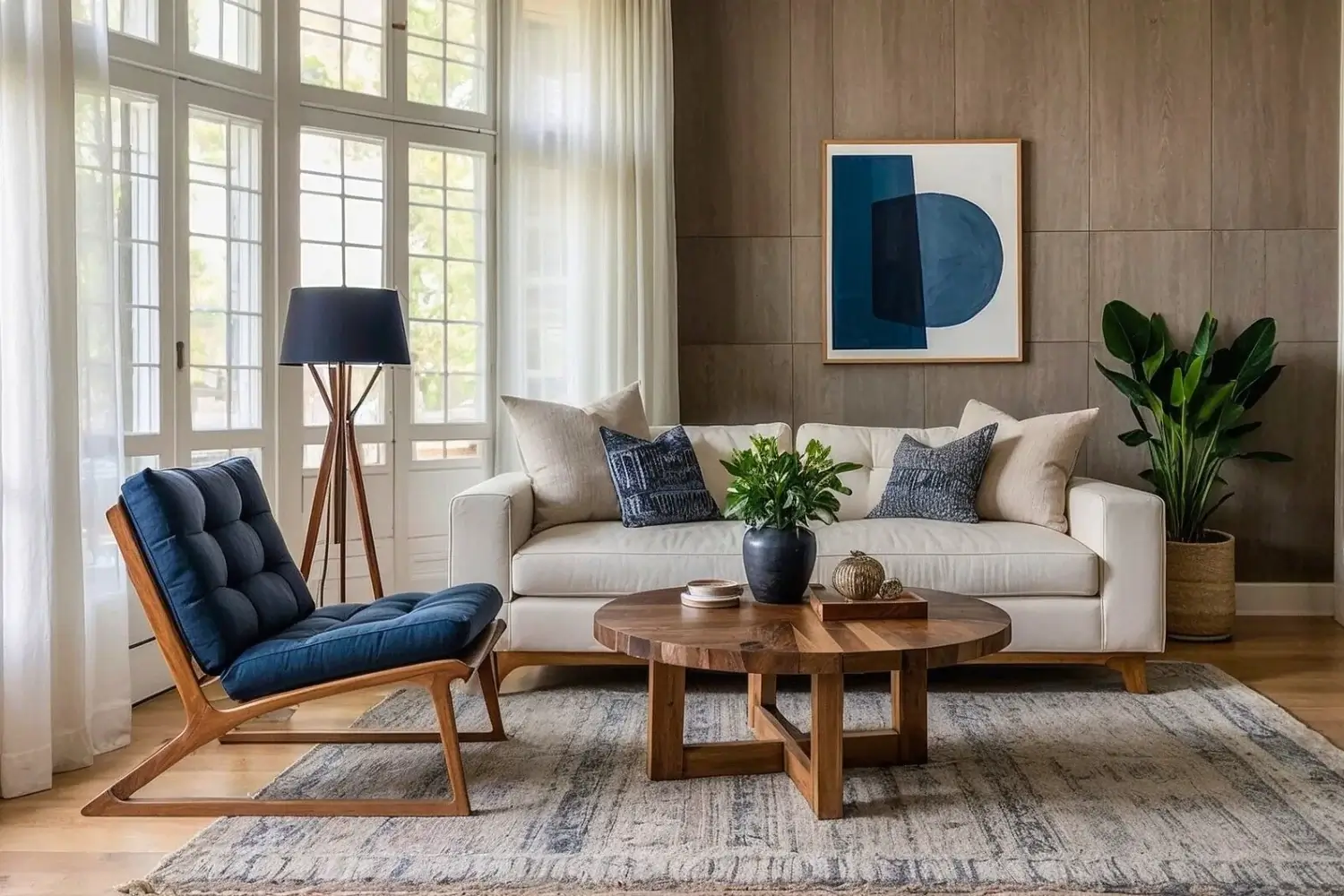
The importance of coffee tables in interior design is often underestimated. Many people view them as optional accessories rather than essential furniture pieces. However, a coffee table is much more than a surface placed in front of a sofa. It plays a central role in functionality, aesthetics, organization, and social interaction within a living space. From anchoring a room’s layout to enhancing comfort and style, the importance of coffee tables continues to grow in modern homes.
In today’s interior design trends, where open layouts and multifunctional furniture dominate, coffee tables serve as both practical tools and visual focal points. Their presence influences how a room feels, functions, and flows.
Importance of Coffee Tables in Creating a Balanced Living Room Layout
One of the key aspects of the importance of coffee tables lies in their ability to balance a living room layout. A coffee table acts as a central anchor, connecting sofas, chairs, and seating arrangements into a cohesive unit. Without it, the room can feel incomplete or visually disconnected.
Coffee tables help define seating areas, especially in open-plan homes where clear boundaries are needed. They bring proportion and symmetry, ensuring that furniture placement feels intentional rather than scattered. This balance enhances comfort and improves the overall visual harmony of the space.
Importance of Coffee Tables for Everyday Functionality
The importance of coffee tables becomes most apparent in daily use. They provide a convenient surface for placing drinks, snacks, books, remote controls, and decorative items. Whether you are entertaining guests, relaxing with family, or working from the couch, a coffee table supports daily activities effortlessly.
Many modern coffee tables come with added functionality such as drawers, shelves, or lift-top designs. These features increase their usability, offering hidden storage or transforming the table into a temporary workspace or dining surface. This adaptability makes coffee tables indispensable in both small apartments and large homes.
Importance of Coffee Tables in Enhancing Interior Aesthetics
From a design perspective, the importance of coffee tables is closely tied to aesthetics. A well-chosen coffee table complements the room’s style, whether it is modern, traditional, rustic, or minimalist. Materials like wood, glass, metal, or marble can dramatically influence the mood of the space.
Coffee tables also serve as platforms for styling. Decorative trays, books, candles, and plants placed on a coffee table add personality and visual interest. This makes the coffee table a powerful design tool that reflects the homeowner’s taste and lifestyle.
Importance of Coffee Tables as Social Interaction Hubs
Another overlooked aspect of the importance of coffee tables is their role in social interaction. Coffee tables naturally encourage people to gather around them. They act as a shared surface where conversations happen, games are played, and refreshments are enjoyed.
In social settings, coffee tables promote comfort and accessibility. Guests can easily reach for drinks or snacks without disrupting conversations. This makes coffee tables essential for creating welcoming and interactive living environments.
Importance of Coffee Tables for Space Optimization
In smaller living spaces, the importance of coffee tables becomes even more significant. Compact or multifunctional coffee tables help maximize limited space. Storage compartments reduce clutter, while nested or foldable designs provide flexibility.
Choosing the right coffee table size and shape ensures efficient use of space without overwhelming the room. Round tables work well in tight areas, while rectangular tables suit larger seating arrangements. This adaptability highlights how coffee tables contribute to smart space planning.
Importance of Coffee Tables in Supporting Modern Lifestyles
Modern lifestyles demand furniture that adapts to multiple needs, and this reinforces the importance of coffee tables. With more people working from home, coffee tables often double as informal workstations. Lift-top designs allow users to work comfortably while seated on a sofa.
Additionally, coffee tables support entertainment needs, from holding laptops and gaming accessories to serving as display surfaces during gatherings. Their versatility aligns perfectly with the evolving demands of contemporary living.
Importance of Coffee Tables in Reflecting Personal Style
The importance of coffee tables also lies in their ability to express individuality. Unlike larger furniture pieces that are chosen for comfort and size, coffee tables offer more freedom for creative expression. Unique shapes, finishes, and designs can make a bold statement.
Whether minimalist or ornate, the coffee table often becomes a conversation piece. It reflects personal preferences and enhances the character of the living space, making the room feel more personalized and inviting.
Importance of Coffee Tables for Practical Organization
Clutter can quickly diminish the comfort of a living room, which highlights the importance of coffee tables in organization. Tables with built-in storage help keep everyday items within reach while maintaining a clean appearance.
By providing a designated place for commonly used items, coffee tables reduce the need for additional furniture. This contributes to a more organized, efficient, and visually pleasing environment.
Importance of Coffee Tables in Long-Term Home Value
The importance of coffee tables extends beyond daily use and design appeal. Well-chosen furniture enhances the overall impression of a home. A stylish and functional coffee table can elevate the perceived value of a living space.
In staged homes or rental properties, coffee tables play a key role in creating inviting interiors. They help potential buyers or tenants visualize comfortable living, making them a subtle yet impactful investment.
Conclusion: Why the Importance of Coffee Tables Should Never Be Overlooked
The importance of coffee tables goes far beyond their simple appearance. They are essential elements that combine functionality, aesthetics, organization, and social interaction into one versatile piece of furniture. From anchoring room layouts to supporting modern lifestyles, coffee tables play a vital role in shaping comfortable and stylish living spaces.
Choosing the right coffee table enhances not only the look of a room but also how it is used and experienced. By understanding the importance of coffee tables, homeowners can make smarter design choices that improve everyday living and long-term satisfaction.