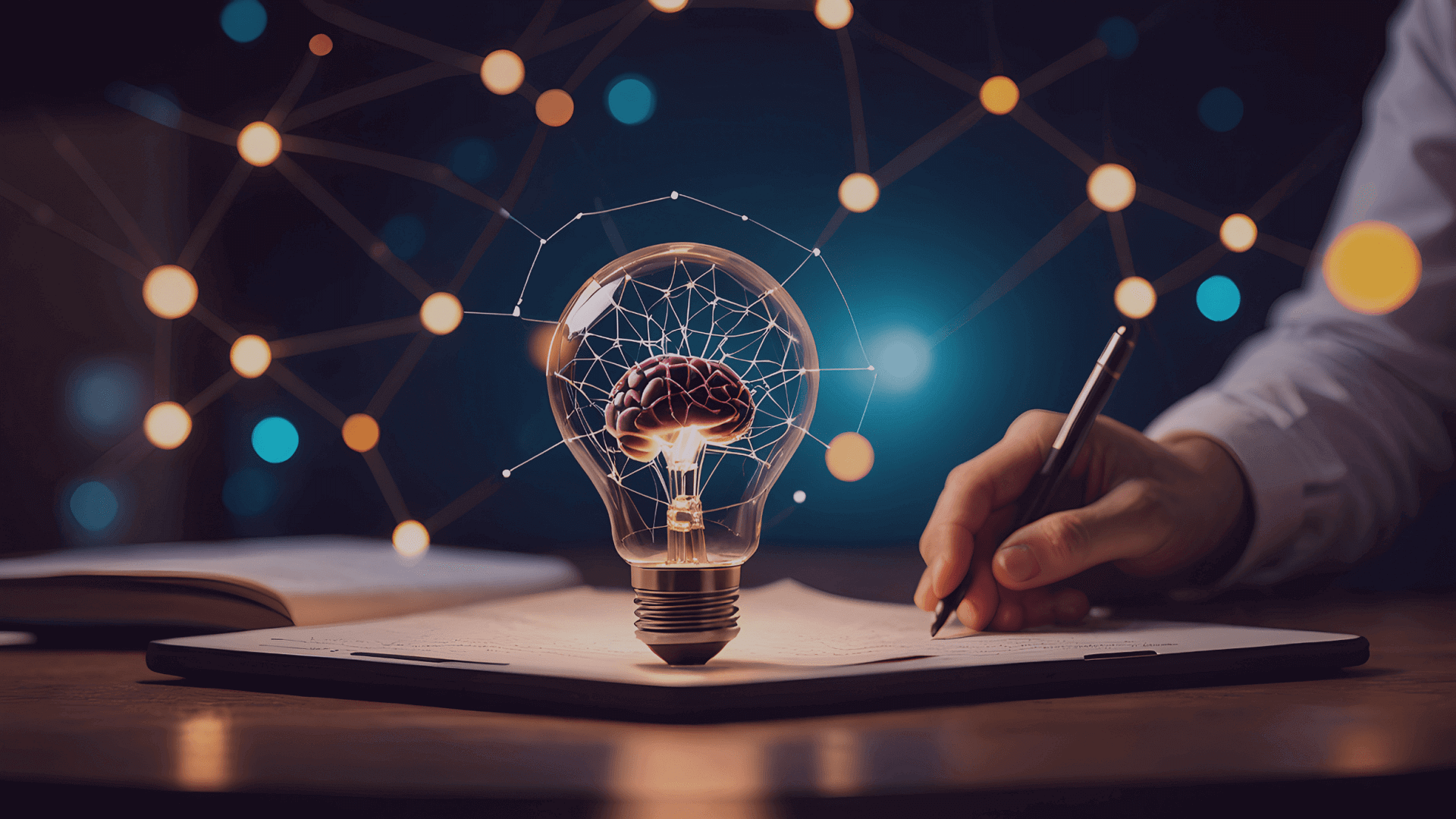
The rapid evolution of Ai image technology has fundamentally reshaped how we create, interpret, and deploy visual content. Across industries, intelligent image generation and enhancement systems are no longer experimental tools—they are essential engines of productivity and creative expansion. We now operate in an era where machines can interpret textual intent, artistic style, and contextual nuance to produce compelling visuals at scale.
By integrating deep learning, neural networks, and generative models, Ai image systems deliver unprecedented speed, accuracy, and creative flexibility. From marketing and design to education and entertainment, this technology empowers organizations and creators to visualize ideas instantly while maintaining consistent quality and brand identity.
Understanding Ai Image Technology
At its core, Ai image technology relies on complex algorithms trained on vast datasets of visual and textual information. These systems learn patterns, structures, colors, lighting, and artistic styles, enabling them to generate or modify images with remarkable realism and originality.
Modern Ai image engines use advanced architectures such as generative adversarial networks and diffusion-based models. These architectures allow systems to refine images iteratively, ensuring clarity, balance, and aesthetic harmony. The result is imagery that aligns precisely with user intent while maintaining visual sophistication.
Key Capabilities of Ai Image Systems
Text-to-Image Generation
One of the most powerful advancements in Ai image technology is text-to-image generation. By interpreting descriptive language, systems can instantly transform written concepts into detailed visuals. This capability accelerates creative workflows and eliminates the traditional gap between ideation and execution.
Image Enhancement and Restoration
Ai image tools excel at improving resolution, correcting color, removing noise, and restoring damaged visuals. Old photographs, low-quality graphics, and compressed images can be revitalized with professional-grade results, preserving detail while enhancing clarity.
Style Transfer and Artistic Adaptation
Through intelligent style analysis, Ai image platforms apply artistic aesthetics to existing visuals. Whether emulating classical painting styles or modern digital art, these systems adapt imagery while preserving structural integrity and subject accuracy.
Ai Image in Creative Industries
Design and Branding
Design teams rely on Ai image technology to produce rapid concept variations, mood boards, and visual prototypes. This accelerates branding projects and ensures consistent visual language across campaigns. We achieve faster turnaround times while maintaining high creative standards.
Marketing and Advertising
In marketing, Ai image solutions enable the creation of tailored visuals for diverse audiences. Campaigns benefit from localized imagery, personalized creatives, and scalable content production. This precision enhances engagement and conversion performance.
Media and Entertainment
Film studios, game developers, and content creators use Ai image systems to generate environments, characters, and visual effects. This reduces production costs while expanding creative possibilities, allowing teams to focus on storytelling and innovation.
Operational Advantages of Ai Image Technology
Speed and Scalability
Traditional image creation requires significant time and resources. Ai image platforms deliver instant results, enabling large-scale content production without compromising quality. This scalability supports fast-moving digital strategies and global campaigns.
Cost Efficiency
By reducing dependency on manual labor and external resources, Ai image tools lower production costs. Organizations optimize budgets while maintaining visual excellence across all digital touchpoints.
Consistency and Accuracy
Maintaining visual consistency across platforms is critical. Ai image systems ensure uniform styles, colors, and compositions, reinforcing brand recognition and professional presentation.
Ethical and Responsible Use of Ai Image
As Ai image technology advances, responsible implementation remains essential. Transparency, data integrity, and ethical training practices ensure fair representation and prevent misuse. We prioritize accuracy, originality, and respect for intellectual property while leveraging intelligent systems.
Responsible frameworks guide the development and deployment of Ai image solutions, fostering trust and long-term sustainability across industries.
Future Trends in Ai Image Development
The future of Ai image technology points toward deeper contextual understanding, real-time collaboration, and multimodal integration. Systems will seamlessly combine text, images, audio, and video, delivering immersive creative experiences.
Advancements in personalization will allow Ai image platforms to adapt to individual preferences, cultural nuances, and industry-specific requirements. This evolution positions intelligent imagery as a cornerstone of digital transformation.
Ai Image for Business Growth
Organizations adopting Ai image solutions gain a competitive edge through innovation and agility. Visual storytelling becomes more dynamic, data-driven, and responsive to market demands. We leverage intelligent imagery to enhance user experience, strengthen brand presence, and accelerate growth.
From e-commerce product visuals to corporate presentations, Ai image technology elevates communication and engagement at every level.
Conclusion: Embracing the Ai Image Era
The rise of Ai image technology marks a defining shift in how visuals are conceived and executed. By combining intelligence, creativity, and efficiency, these systems empower organizations and creators to achieve more with less effort and greater precision.
As adoption expands, Ai image solutions will continue to redefine digital creativity, offering limitless potential for innovation and expression. We stand at the forefront of a visual revolution where imagination meets intelligent execution.