
Successful organizations know that building well-organized talent pools strategy can dramatically reduce the time and effort required for hiring qualified candidates. A thoughtfully managed talent pool supports agile recruitment, minimizes costly vacancies, and ensures you can respond quickly to changing workforce needs. As competition for top talent intensifies, proactively cultivating strong candidate relationships is more important than ever.
Talent pools are essential to an organization’s future workforce and represent more than just contact databases. By engaging high-potential prospects, businesses create a pipeline of qualified candidates for key roles. To be an employer of choice, organizations must maintain regular communication and offer meaningful engagement opportunities, ensuring they remain memorable to potential job seekers. Diversifying outreach through referrals, partnerships, and technology broadens access to quality talent. Effective management of talent pools supports strategic hiring and fosters sustainable growth.
Understanding Talent Pools
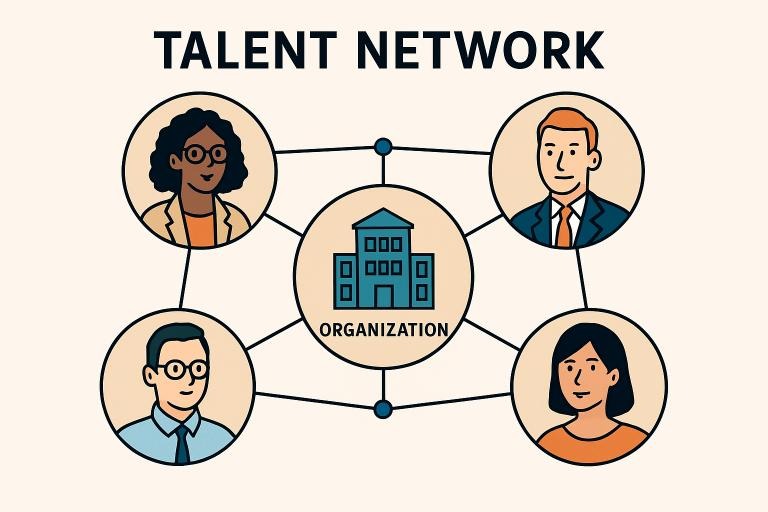
A talent pool is more than a simple repository of resumes. It is a dynamic, organized collection of individuals who have expressed a genuine interest in your organization, whether or not they are actively searching for a new job. By nurturing these potential candidates through tailored communication and engagement, companies ensure smoother and faster hiring cycles when new roles emerge.
Effective talent pools help you anticipate workforce needs, rather than react to them. They foster ongoing relationships, keeping passive candidates engaged so you can reach out and hire from a group of familiar individuals who understand your company and have already demonstrated alignment with your goals and values.
Strategies for Building a Talent Pool
1. Leverage Employee Referrals
Employee referrals remain one of the most trusted ways to find strong talent. A properly incentivized referral program empowers current employees to recommend former colleagues, friends, or industry contacts who might be a fit, significantly expanding your reach. Referred employees are usually quicker to onboard, tend to be higher performers, and are more likely to stay longer, helping minimize turnover.
2. Partner with Educational Institutions
Universities and colleges are rich sources of emerging talent. Through partnerships, internships, campus events, and workshops, companies create direct access to students and recent graduates interested in entering the workforce. These initiatives position your organization as a preferred employer for new graduates and help you form long-term connections with high-potential candidates early in their careers.
3. Utilize Social Media Platforms
Social media is an indispensable tool for modern talent pool development. Platforms like LinkedIn are ideal for showcasing your company culture, highlighting employee success stories, and promoting events. Regularly publishing insightful content about your organization’s achievements and industry trends attracts followers who may one day become candidates. Responding quickly to comments or inquiries further enhances your brand’s reputation and approachability.
4. Attend Industry Events and Job Fairs
Industry events, conferences, and career fairs are ideal for making personal connections. They offer a forum to share your organization’s vision, network with a highly targeted group of professionals, and gather leads for your talent pipeline efficiently. Engaging directly with potential candidates lets you answer questions, share your enthusiasm for the organization, and build rapport that would be difficult to achieve online.
Leveraging Technology in Talent Pool Management
Modern recruitment technology streamlines every aspect of talent pool management, from sourcing candidates to maintaining relationships. Candidate Relationship Management (CRM) systems store detailed candidate profiles, track interactions, and automate regular follow-ups. Embracing artificial intelligence and analytics allows you to identify the candidates most likely to succeed in your company based on behavioral and performance data. Automated workflows can segment your talent pool to deliver personalized communications at scale, ensuring your brand remains relevant and resonant with each candidate group.
Engaging and Nurturing Candidates
Sustained engagement transforms a static pool of names into a vibrant network of potential hires. Building trust means sharing exciting company updates, highlighting new job openings, and celebrating organizational milestones with your talent community. You can invite prospects to participate in webinars or workshops, or to attend exclusive “talent preview” events. Sharing valuable industry news and trends will position you as a forward-thinking employer and help candidates visualize themselves growing alongside your team.
- Send personalized emails updating talent on company progress and upcoming opportunities.
- Invite prospects to networking sessions, skills sessions, and company open houses.
- Distribute content such as industry insights, salary benchmarks, or leadership profiles that establish your organization as a thought leader.
These touchpoints build goodwill, foster a sense of inclusion, and dramatically lift the chances that your organization will be top-of-mind when a candidate is ready to switch jobs.
Measuring Success and Iterating
To continuously improve your approach, track key metrics such as time-to-fill, cost-per-hire, and candidate engagement rates. Survey candidates about their experience in your pipeline to gather qualitative feedback. Analyze which engagement strategies yield the best hires and where candidate drop-off trends occur. Use your findings to refine your messaging, follow-up strategy, and pool segmentation, ensuring your system is always evolving to meet the company’s needs.
Conclusion
A proactive approach to building and managing talent pools enables organizations to attract, engage, and secure top talent before the competition. By leveraging a variety of sourcing strategies, integrating advanced recruitment technology, and prioritizing genuine candidate engagement, companies build a reliable, qualified pipeline for future hiring needs. Evolving your talent pool management strategy positions your organization for success in an ever-changing employment landscape.